Juan de Fuca: The First Cross-Border Tourism Corridor
Investment Overview
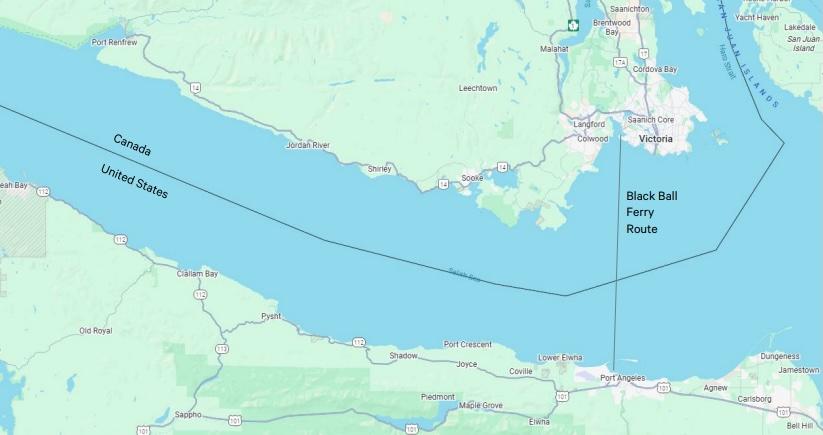
The Juan de Fuca Corridor is the first Canada–U.S. cross-border tourism corridor—one bioregion, two countries. The bioregion is defined by old-growth forests, rugged coastlines, salmon-bearing rivers, and biodiverse marine ecosystems, and positioned within the wider Salish Sea Bioregion with major gateways in Victoria, Vancouver, and Seattle. This corridor links six First Nations and multiple gateway communities, offering investors a rare opportunity to shape a regenerative tourism economy projected to reach 8.1 million visitors by 2029.
This corridor investments prioritizes high-value, low-impact experiences aligned with three core moves: protect and enhance the corridor’s natural and cultural assets; connect communities physically and culturally; and attract high-value visitors through targeted marketing to local, regional, and passion-based niches before expanding globally. Investments here deliver financial returns while advancing climate resilience, reconciliation, and bioregional stewardship—creating a destination that not only transcends borders but leaves the place stronger than we found it.
Region: British Columbia (Sooke–Port Renfrew) & Washington State (Port Angeles–Sequim)
Type of project:
Strategic considerations
- First-mover advantage: It is the first cross-border tourism corridor in North America, positioned to capture early-stage investment in a market projected to reach 8.1M visitors by 2029 (+18%).
- Authentic indigenous partnership: Investors who co-create with Indigenous communities gain cultural legitimacy, access to unique experiences, and alignment with reconciliation mandates.
- Multi-modal connectivity unlocks demand: Investments in electric ferry and e-bike infrastructure encourage visitation between communities, enabling seamless movement and extending visitor length of stay.
- Regenerative tourism: Global travellers increasingly seek destinations that prioritize ecological health and cultural vitality. This corridor is branded around regeneration, reconciliation, and stewardship, differentiating it from mass-market competitors.
- Climate-resilient infrastructure: All projects integrate adaptation measures (e.g., low-emission mobility, modular facilities), positioning investors for future-proof returns and eligibility for green finance instruments.
- Public-private leverage: Strong potential for blended finance through federal, provincial/state, and Indigenous funding streams, reducing investor risk and accelerating ROI.
Strategic considerations
- First-mover advantage: It is the first cross-border tourism corridor in North America, positioned to capture early-stage investment in a market projected to reach 8.1M visitors by 2029 (+18%).
- Authentic indigenous partnership: Investors who co-create with Indigenous communities gain cultural legitimacy, access to unique experiences, and alignment with reconciliation mandates.
- Multi-modal connectivity unlocks demand: Investments in electric ferry and e-bike infrastructure encourage visitation between communities, enabling seamless movement and extending visitor length of stay.
- Regenerative tourism: Global travellers increasingly seek destinations that prioritize ecological health and cultural vitality. This corridor is branded around regeneration, reconciliation, and stewardship, differentiating it from mass-market competitors.
- Climate-resilient infrastructure: All projects integrate adaptation measures (e.g., low-emission mobility, modular facilities), positioning investors for future-proof returns and eligibility for green finance instruments.
- Public-private leverage: Strong potential for blended finance through federal, provincial/state, and Indigenous funding streams, reducing investor risk and accelerating ROI.
Investment Opportunities
The Investment plan build on shared values rooted in the Juan de Fuca Bioregion Tourism Corridor: Regeneration, Reconciliation, Care for the Bioregion, Respect for Residents and Accessibility and Inclusion. The plan focuses less on one-time capital injections and more on projects that can grow or be phased/enhanced over time.
Investment Opportunities
The Investment plan build on shared values rooted in the Juan de Fuca Bioregion Tourism Corridor: Regeneration, Reconciliation, Care for the Bioregion, Respect for Residents and Accessibility and Inclusion. The plan focuses less on one-time capital injections and more on projects that can grow or be phased/enhanced over time.
Contact Information
Call to action and next steps
Market demand analysis and financial modeling related to investment opportunities are available upon request. Follow-up discussions can be facilitated through the project contact.
District of Sooke
Website: https://www.sooke.ca/