Reimagining Wasaga Beach to Develop Destination Wasaga
Reimagining Wasaga Beach to Develop Destination Wasaga
Ontario’s iconic summer playground, Wasaga Beach, is situated along the shores of Georgian Bay, on the traditional territory of the Anishnaabe people of the Three Fires Confederacy, land also inhabited by the people of the Wyandot nation.
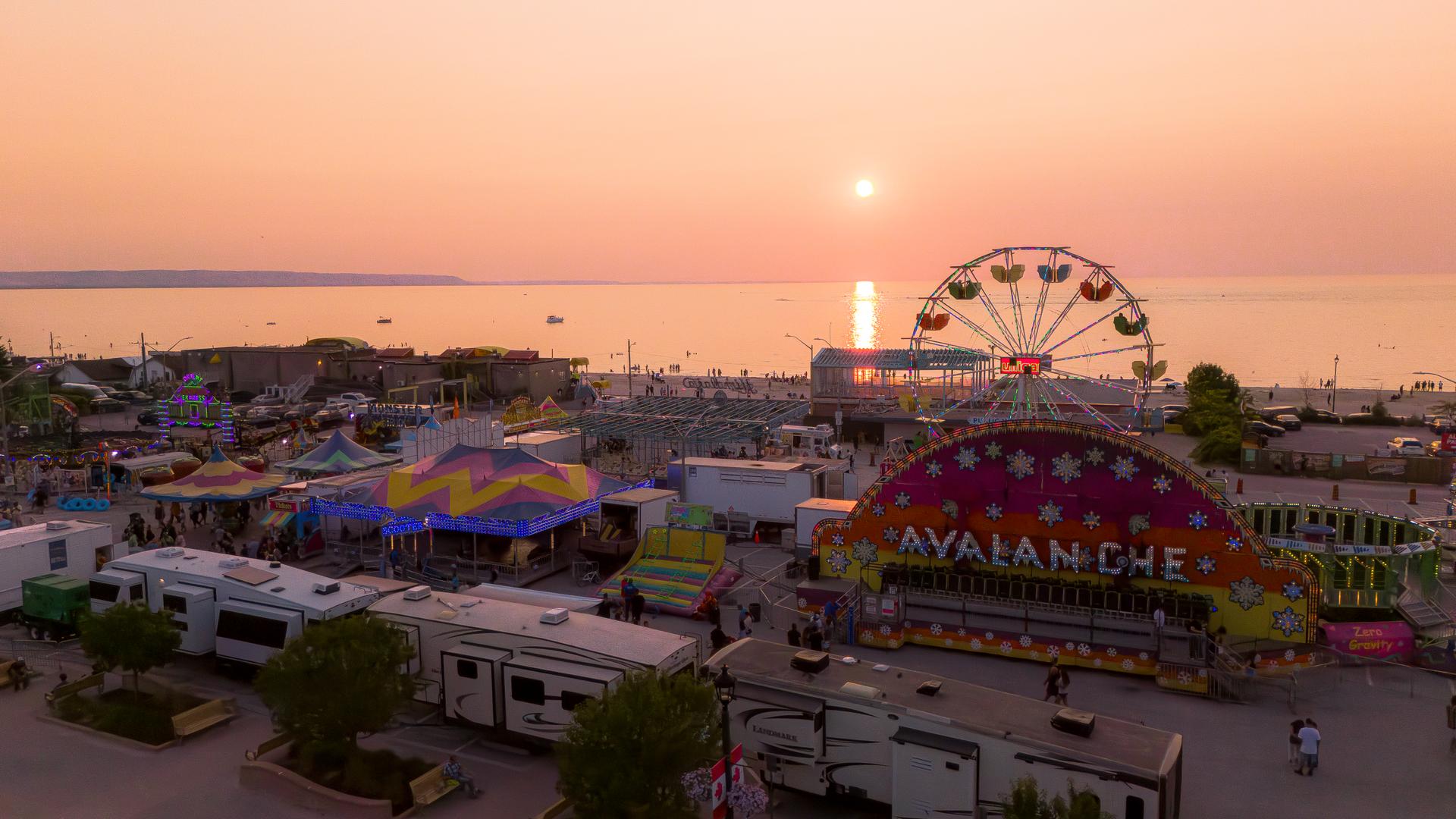
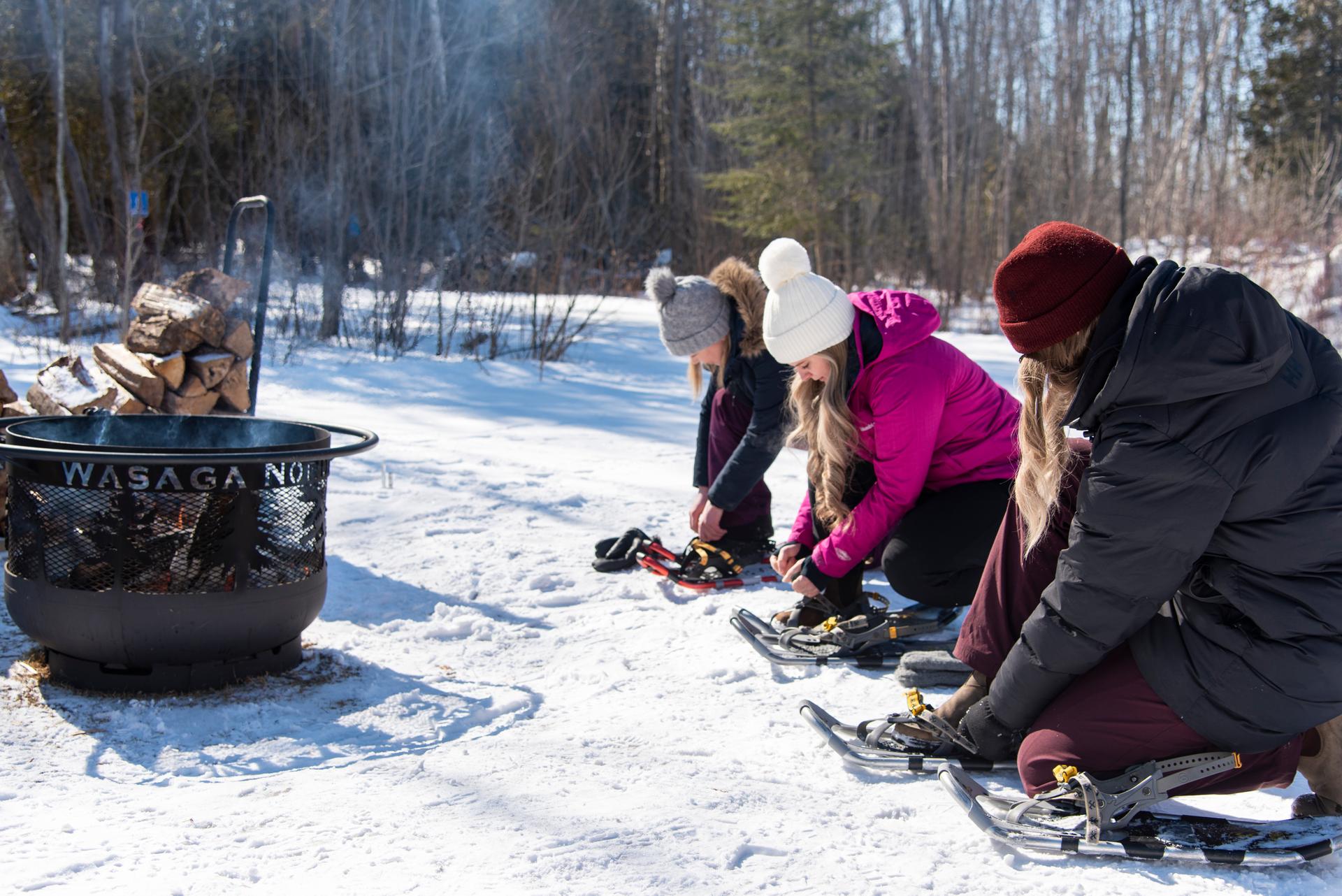
More than 2 million visitors travel to Wasaga Beach each year, primarily during its busy summer season, to enjoy the world’s longest freshwater beach. In recent years, the town has become focused on its vision to become a year-round destination.
To achieve this vision, the Town of Wasaga Beach (‘Town’), in collaboration with the Ontario government, has launched Destination Wasaga—an ambitious, collaborative project that puts the people of Wasaga Beach at the centre to “create a globally recognized, recreation and nature-based destination” and a thriving, year-round community for both residents and guests to enjoy.
This case study examines how Wasaga Beach is building public-private alignment, demonstrating investment readiness, and advancing a community-driven master plan to transform its waterfront. Several people most intimately involved in the project will offer lessons and advice for others seeking to pursue similar transformative destination development work.
Ontario’s iconic summer playground, Wasaga Beach, is situated along the shores of Georgian Bay, on the traditional territory of the Anishnaabe people of the Three Fires Confederacy, land also inhabited by the people of the Wyandot nation.
More than 2 million visitors travel to Wasaga Beach each year, primarily during its busy summer season, to enjoy the world’s longest freshwater beach. In recent years, the town has become focused on its vision to become a year-round destination.
To achieve this vision, the Town of Wasaga Beach (‘Town’), in collaboration with the Ontario government, has launched Destination Wasaga—an ambitious, collaborative project that puts the people of Wasaga Beach at the centre to “create a globally recognized, recreation and nature-based destination” and a thriving, year-round community for both residents and guests to enjoy.
This case study examines how Wasaga Beach is building public-private alignment, demonstrating investment readiness, and advancing a community-driven master plan to transform its waterfront. Several people most intimately involved in the project will offer lessons and advice for others seeking to pursue similar transformative destination development work.
Wasaga Beach: A brief introduction

Wasaga Beach is sometimes referred to as a ‘land where two waters meet,’ since the Nottawasaga River winds its way through the town before flowing into Georgian Bay. The name Nottawasaga is an Algonquin word meaning “Iroquois at Mouth of River.”
In the early 1800s, the area’s Indigenous peoples lived alongside British military, with the east end of Wasaga Beach (now referred to as Beach Area 1) playing a role in establishing Upper Canada and the fur trade. Activity along the river intensified during the War of 1812, when a pivotal battle was fought, helping define Canada's borders.
Throughout the 1800s, Wasaga Beach evolved from a logging outpost into a growing summer destination. By the early 20th century, establishments such as the Capstan Inn (1910) and the Dardanella dance hall (1918) helped cement the town’s identity as a vibrant, waterfront resort town.
For more than 100 years, visitors have come to experience the town's iconic beachfront, now part of Wasaga Beach Provincial Park, the most highly visited urban, “recreation class” provincial park in Ontario.
Wasaga Beach: A brief introduction
Wasaga Beach is sometimes referred to as a ‘land where two waters meet,’ since the Nottawasaga River winds its way through the town before flowing into Georgian Bay. The name Nottawasaga is an Algonquin word meaning “Iroquois at Mouth of River.”
In the early 1800s, the area’s Indigenous peoples lived alongside British military, with the east end of Wasaga Beach (now referred to as Beach Area 1) playing a role in establishing Upper Canada and the fur trade. Activity along the river intensified during the War of 1812, when a pivotal battle was fought, helping define Canada's borders.
Throughout the 1800s, Wasaga Beach evolved from a logging outpost into a growing summer destination. By the early 20th century, establishments such as the Capstan Inn (1910) and the Dardanella dance hall (1918) helped cement the town’s identity as a vibrant, waterfront resort town.
For more than 100 years, visitors have come to experience the town's iconic beachfront, now part of Wasaga Beach Provincial Park, the most highly visited urban, “recreation class” provincial park in Ontario.
The evolution of Wasaga Beach's waterfront
Wasaga Beach and the Ontario government began their long-term partnership about 50 years ago, when the provincial government expropriated most of the municipality’s beachfront lands to form Wasaga Beach Provincial Park. Approximately 75 per cent of the town’s commercial and tourism lands were transferred to provincial ownership, with nearly all the town’s beachfront homes, hotels, and businesses torn down in the process.
The creation of the provincial park ensured the beach would remain protected and open to the public; however, it also reshaped the town’s economy, concentrating control of the waterfront at the provincial level and making the community increasingly dependent on provincial priorities, seasonal tourism, and weather.
The relationship between the Town and Province began with a bold vision articulated through a Master Plan—that a new provincial park would help anchor a vibrant, four-season resort community. However, as the broader economic vision faded over the decades, the provincial park did not catalyze the Town into a four-season recreation destination.
Then, in 2007, a devastating fire destroyed much of the remaining tourism infrastructure along Beach Area 1, exposing the community’s economic vulnerability. In the years that followed, stalled private projects, regulatory complexity, land speculation, and competing visions slowed progress.
Determined to regain control of its future, the Town took decisive action. Beginning in 2015, Wasaga Beach acquired more than 70 per cent of the commercial properties along the main beachfront strip. As Mayor Brian Smith said then and continues to say today: “The Town cannot control what we don’t own.”
Today, Destination Wasaga represents a renewed partnership between the Town and Province — aligning environmental stewardship with economic growth to unlock the full potential of the town’s iconic nature and beachfront. There is a shared understanding that the park and the beach should once again drive sustainable and regenerative tourism, attract private investment, and sustain a thriving, year-round community.
“Mayor Smith and Council were early and consistent champions, backed by local business owners, community leaders, and residents who saw an opportunity to get back to the original vision for Wasaga Beach, and shift from a 'three-month party town’ to a complete community and year-round destination,” notes the Town’s Chief Administrative Officer, Andrew McNeill.
The Town secured a $150,000 grant through the Government of Ontario’s Tourism Development Fund Program to develop a Downtown Development Master Plan (DDMP). The plan was approved by Council in March 2017, marking an important first step towards revitalizing Wasaga Beach’s downtown and tourism industry.
In 2018, the Town’s Tourism Destination Management Plan (TDMP) was adopted, guiding the development and expansion of tourism in the area and offering 15 recommendations to enhance the town’s competitiveness and appeal. An updated version of the TDMP was released in 2024 to account for the numerous factors that had impacted tourism since its original publication.
Mayor Smith notes that several goals shaped Wasaga Beach’s early vision as it developed these master plans:
- Preserving and elevating heritage.
- Protecting and celebrating its unique coastal dune ecosystem.
- Creating year-round economic resilience.
- Keeping the beach public.
- Elevating the longest freshwater beach in the world to an iconic recreation and nature-based destination, where tourism, community, and conservation thrive together.
“The Town’s vision aligns closely with emerging national thinking on 'transformational' and regenerative tourism: tourism that generates wealth and wellbeing, not just visitor numbers,” he adds.
The evolution of Wasaga Beach's waterfront
Wasaga Beach and the Ontario government began their long-term partnership about 50 years ago, when the provincial government expropriated most of the municipality’s beachfront lands to form Wasaga Beach Provincial Park. Approximately 75 per cent of the town’s commercial and tourism lands were transferred to provincial ownership, with nearly all the town’s beachfront homes, hotels, and businesses torn down in the process.
The creation of the provincial park ensured the beach would remain protected and open to the public; however, it also reshaped the town’s economy, concentrating control of the waterfront at the provincial level and making the community increasingly dependent on provincial priorities, seasonal tourism, and weather.
The relationship between the Town and Province began with a bold vision articulated through a Master Plan—that a new provincial park would help anchor a vibrant, four-season resort community. However, as the broader economic vision faded over the decades, the provincial park did not catalyze the Town into a four-season recreation destination.
Then, in 2007, a devastating fire destroyed much of the remaining tourism infrastructure along Beach Area 1, exposing the community’s economic vulnerability. In the years that followed, stalled private projects, regulatory complexity, land speculation, and competing visions slowed progress.
Determined to regain control of its future, the Town took decisive action. Beginning in 2015, Wasaga Beach acquired more than 70 per cent of the commercial properties along the main beachfront strip. As Mayor Brian Smith said then and continues to say today: “The Town cannot control what we don’t own.”
Today, Destination Wasaga represents a renewed partnership between the Town and Province — aligning environmental stewardship with economic growth to unlock the full potential of the town’s iconic nature and beachfront. There is a shared understanding that the park and the beach should once again drive sustainable and regenerative tourism, attract private investment, and sustain a thriving, year-round community.
“Mayor Smith and Council were early and consistent champions, backed by local business owners, community leaders, and residents who saw an opportunity to get back to the original vision for Wasaga Beach, and shift from a 'three-month party town’ to a complete community and year-round destination,” notes the Town’s Chief Administrative Officer, Andrew McNeill.
The Town secured a $150,000 grant through the Government of Ontario’s Tourism Development Fund Program to develop a Downtown Development Master Plan (DDMP). The plan was approved by Council in March 2017, marking an important first step towards revitalizing Wasaga Beach’s downtown and tourism industry.
In 2018, the Town’s Tourism Destination Management Plan (TDMP) was adopted, guiding the development and expansion of tourism in the area and offering 15 recommendations to enhance the town’s competitiveness and appeal. An updated version of the TDMP was released in 2024 to account for the numerous factors that had impacted tourism since its original publication.
Mayor Smith notes that several goals shaped Wasaga Beach’s early vision as it developed these master plans:
- Preserving and elevating heritage.
- Protecting and celebrating its unique coastal dune ecosystem.
- Creating year-round economic resilience.
- Keeping the beach public.
- Elevating the longest freshwater beach in the world to an iconic recreation and nature-based destination, where tourism, community, and conservation thrive together.
“The Town’s vision aligns closely with emerging national thinking on 'transformational' and regenerative tourism: tourism that generates wealth and wellbeing, not just visitor numbers,” he adds.
A bigger vision is born
As the Town celebrated its 50th anniversary in the summer of 2024, Council called on the Province to invest more in Wasaga Beach Provincial Park and place the beachfront and Nancy Island under the care and oversight of the Ontario Ministry of Tourism, Culture and Gaming. The Town framed it as a once-in-a-generation “re-set and re-alignment with the Province for the next 50 years that will help the Town develop into a complete community and world-class, year-round tourism destination.”
The Town’s General Manager of External Relations and Director of Communications & Destination Marketing, Sandra Watts, shares that Council’s 2024 motion and the public relations campaign that followed were key catalysts in aligning political priorities and advancing Wasaga Beach’s redevelopment journey.
She explains further that in late 2025, as requested by the Town and after several months of advocacy, the Province removed Nancy Island from Wasaga Beach Provincial Park and transferred it to the Ministry of Tourism, Culture and Gaming under Huronia Historical Parks.
In early 2026, the Province also agreed to transfer about 3% (60 hectares) of the provincial park lands bordering both sides of the Town’s main tourism and investment zone back to the municipality, including Beach Area 1 and Beach Area 2.
About half of the transferred land consists of beachfront and environmentally sensitive dunes, which the Town will preserve and protect. The other half of the transferred land is composed mostly of paved and gravel parking lots, which will be reimagined under the Destination Wasaga Master Plan.
While a handful of environmental groups across the province have raised environmental concerns, the Mayor has been the lead spokesperson in addressing them, confirming “there are no plans to build on the beach” and that “municipal stewardship allows for more community-led protection and programming, more educational access, and more responsible, year-round use.”
A bigger vision is born
As the Town celebrated its 50th anniversary in the summer of 2024, Council called on the Province to invest more in Wasaga Beach Provincial Park and place the beachfront and Nancy Island under the care and oversight of the Ontario Ministry of Tourism, Culture and Gaming. The Town framed it as a once-in-a-generation “re-set and re-alignment with the Province for the next 50 years that will help the Town develop into a complete community and world-class, year-round tourism destination.”
The Town’s General Manager of External Relations and Director of Communications & Destination Marketing, Sandra Watts, shares that Council’s 2024 motion and the public relations campaign that followed were key catalysts in aligning political priorities and advancing Wasaga Beach’s redevelopment journey.
She explains further that in late 2025, as requested by the Town and after several months of advocacy, the Province removed Nancy Island from Wasaga Beach Provincial Park and transferred it to the Ministry of Tourism, Culture and Gaming under Huronia Historical Parks.
In early 2026, the Province also agreed to transfer about 3% (60 hectares) of the provincial park lands bordering both sides of the Town’s main tourism and investment zone back to the municipality, including Beach Area 1 and Beach Area 2.
About half of the transferred land consists of beachfront and environmentally sensitive dunes, which the Town will preserve and protect. The other half of the transferred land is composed mostly of paved and gravel parking lots, which will be reimagined under the Destination Wasaga Master Plan.
While a handful of environmental groups across the province have raised environmental concerns, the Mayor has been the lead spokesperson in addressing them, confirming “there are no plans to build on the beach” and that “municipal stewardship allows for more community-led protection and programming, more educational access, and more responsible, year-round use.”
Selling the vision: Private sector champions
Private sector leader, Sunray Group, was the first to buy into the Town’s vision, making an initial $45 million investment—which has now increased to $60 million—to build a premium Marriott hotel and other amenities near Beach Area 1. Sunray President & CEO, Ray Gupta, has a strong connection to Wasaga Beach, as his family vacationed in the area and operated a seasonal business at Beach Area 1 in the 1970s.
“Those early experiences gave me a lasting appreciation for this vibrant beach community, and they continue to inspire my connection to Wasaga Beach today,” Gupta said at the time of the initial investment announcement.
Stonebridge Building Group, which has been actively investing in and building in Wasaga Beach for more than two decades, came on board in November 2024, shortly after Sunray. The five-phase, mixed-use development project Stonebridge is leading will include 150 residential units and 31 commercial units near Beach Area 1.
“Provincial champions—including the Premier and ministers responsible for tourism and infrastructure—then stepped in with a nearly $38-million investment in Destination Wasaga, making the redevelopment truly viable,” states McNeill.
The Ontario government’s investment in Destination Wasaga, as outlined on its website, will support the:
- Redevelopment of the Nancy Island Historic Site to better recognize its national significance and preserve its history.
- Improvement of local roads to unlock public and private investment while supporting tourism, future housing, and traffic needs.
- Revitalization of the downtown area to create a greater sense of community and encourage visitors to return again and again.
As Watts explains, the relationships the Town has cultivated with its investment partners, including the provincial government, have grown through intentional advocacy, ongoing dialogue, community engagement, and a shared recognition that meaningful transformation requires working together, not in silos.
In July 2025, with public- and private-sector investment confirmed and development underway, the Town began its nationwide search for an additional partner to help bring Destination Wasaga to life.
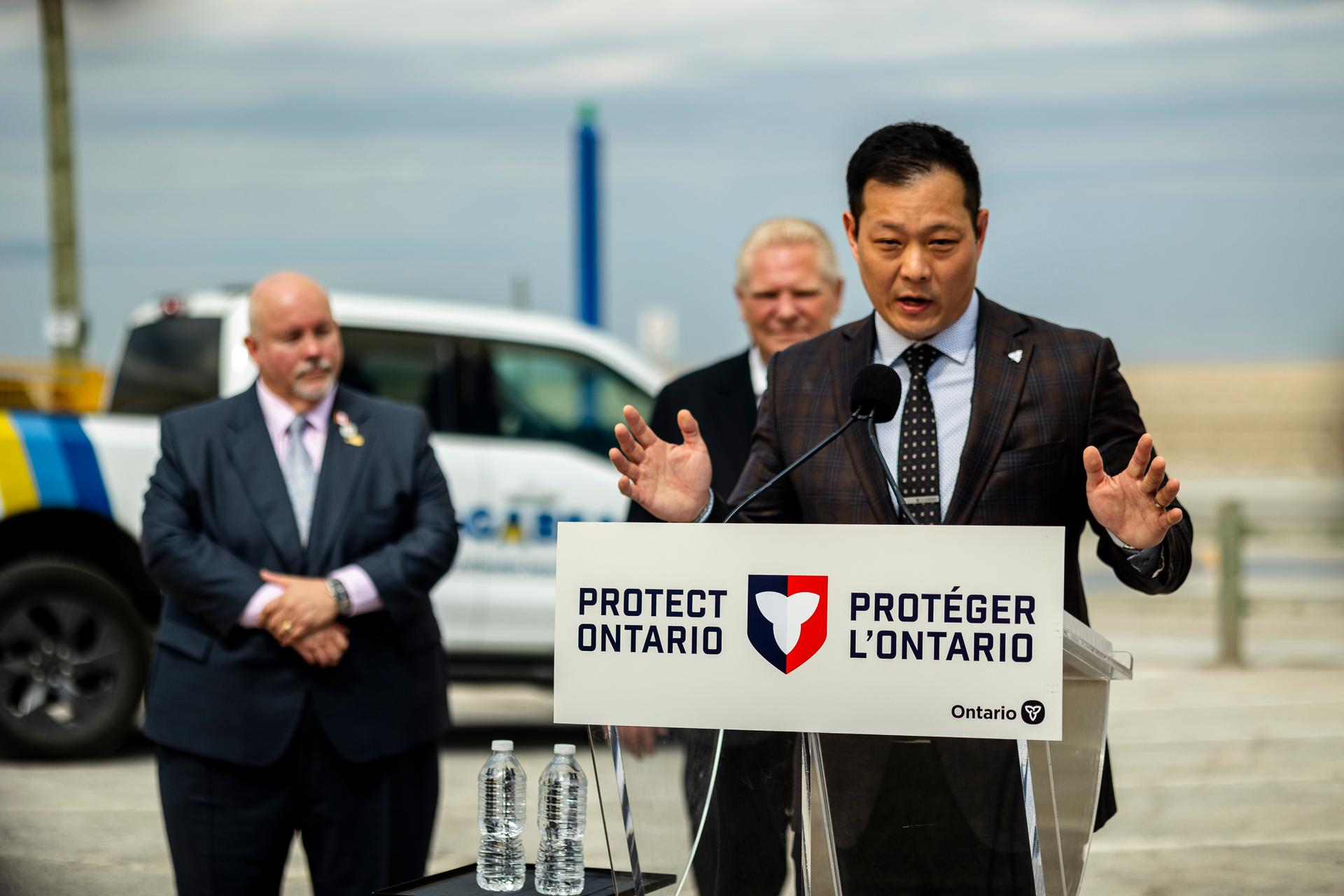
Around the same time, in August 2025, Council members and Town staff met with Premier Doug Ford and several cabinet ministers at the Association of Municipalities of Ontario Conference to discuss the Destination Wasaga Master Plan and outline The Power of 10, which are “ten big ideas” the Town wants residents and the Province to consider during the plan’s development.
Upon conclusion of its RFP process, the Town announced in early September 2025 that it had selected Urban Strategies, an award-winning Canadian-based urban design and planning firm with global experience, to lead the Destination Wasaga journey.
Similar to Gupta, Urban Strategies Principal, Tim Smith, was drawn to the Wasaga Beach project partly on a personal level, as he was born in Parry Sound and has had a lifelong attachment to Georgian Bay.
“There is no other place like Wasaga Beach, and the project is an opportunity for a unique transformation,” he adds. “That’s a huge draw and a huge challenge. We first and foremost want to enhance Wasaga as a place to live, with a distinct identity and range of amenities. If you do that, and do it well, people will come.”
Selling the vision: Private sector champions
Private sector leader, Sunray Group, was the first to buy into the Town’s vision, making an initial $45 million investment—which has now increased to $60 million—to build a premium Marriott hotel and other amenities near Beach Area 1. Sunray President & CEO, Ray Gupta, has a strong connection to Wasaga Beach, as his family vacationed in the area and operated a seasonal business at Beach Area 1 in the 1970s.
“Those early experiences gave me a lasting appreciation for this vibrant beach community, and they continue to inspire my connection to Wasaga Beach today,” Gupta said at the time of the initial investment announcement.
Stonebridge Building Group, which has been actively investing in and building in Wasaga Beach for more than two decades, came on board in November 2024, shortly after Sunray. The five-phase, mixed-use development project Stonebridge is leading will include 150 residential units and 31 commercial units near Beach Area 1.
“Provincial champions—including the Premier and ministers responsible for tourism and infrastructure—then stepped in with a nearly $38-million investment in Destination Wasaga, making the redevelopment truly viable,” states McNeill.
The Ontario government’s investment in Destination Wasaga, as outlined on its website, will support the:
- Redevelopment of the Nancy Island Historic Site to better recognize its national significance and preserve its history.
- Improvement of local roads to unlock public and private investment while supporting tourism, future housing, and traffic needs.
- Revitalization of the downtown area to create a greater sense of community and encourage visitors to return again and again.
As Watts explains, the relationships the Town has cultivated with its investment partners, including the provincial government, have grown through intentional advocacy, ongoing dialogue, community engagement, and a shared recognition that meaningful transformation requires working together, not in silos.
In July 2025, with public- and private-sector investment confirmed and development underway, the Town began its nationwide search for an additional partner to help bring Destination Wasaga to life.
Around the same time, in August 2025, Council members and Town staff met with Premier Doug Ford and several cabinet ministers at the Association of Municipalities of Ontario Conference to discuss the Destination Wasaga Master Plan and outline The Power of 10, which are “ten big ideas” the Town wants residents and the Province to consider during the plan’s development.
Upon conclusion of its RFP process, the Town announced in early September 2025 that it had selected Urban Strategies, an award-winning Canadian-based urban design and planning firm with global experience, to lead the Destination Wasaga journey.
Similar to Gupta, Urban Strategies Principal, Tim Smith, was drawn to the Wasaga Beach project partly on a personal level, as he was born in Parry Sound and has had a lifelong attachment to Georgian Bay.
“There is no other place like Wasaga Beach, and the project is an opportunity for a unique transformation,” he adds. “That’s a huge draw and a huge challenge. We first and foremost want to enhance Wasaga as a place to live, with a distinct identity and range of amenities. If you do that, and do it well, people will come.”
Destination Wasaga: Collaborating for success
“The Destination Wasaga Master Plan (DWMP) is explicitly framed as 'a plan for the community, by the community,' designed to enhance the waterfront, downtown, and year-round visitor experience while keeping the beach public and welcoming,” explains McNeill.
The DWMP, which will build off the Town’s existing Downtown Development and Tourism Development Master Plans, includes guiding aspirations that McNeill says will “act as touchstones when evaluating projects, partnerships, and design options:”
- Build a community-led plan that reflects resident values and everyday use.
- Transform Wasaga Beach into a sustainable, fun, four-season destination with a waterfront and downtown that people are proud of.
- Elevate heritage and nature, especially Nancy Island and the dune ecosystem, ensuring they are not overshadowed by new investment.
- Maintain the principle that the beachfront remains publicly owned and open to everyone in Ontario, and beyond.
In the early days of its work, Urban Strategies prioritized learning as much as possible from previous and ongoing work in Wasaga Beach.
“There are some current partners active on the waterfront who may have a bigger role down the road,” Tim Smith explains. “So, we certainly want to know what is attracting them to the waterfront in particular, but also to Wasaga Beach generally.”
He adds that staying connected to key players within the provincial government and understanding their ambitions, objectives, and goals as a significant funding partner will be vital to maintaining their confidence that Destination Wasaga is a good investment.
“We know they [Government of Ontario] really want to put Wasaga Beach on the map in a much bigger way as a destination. It’s also clear they want the vision to come from the community.”
Destination Wasaga: Collaborating for success
“The Destination Wasaga Master Plan (DWMP) is explicitly framed as 'a plan for the community, by the community,' designed to enhance the waterfront, downtown, and year-round visitor experience while keeping the beach public and welcoming,” explains McNeill.
The DWMP, which will build off the Town’s existing Downtown Development and Tourism Development Master Plans, includes guiding aspirations that McNeill says will “act as touchstones when evaluating projects, partnerships, and design options:”
- Build a community-led plan that reflects resident values and everyday use.
- Transform Wasaga Beach into a sustainable, fun, four-season destination with a waterfront and downtown that people are proud of.
- Elevate heritage and nature, especially Nancy Island and the dune ecosystem, ensuring they are not overshadowed by new investment.
- Maintain the principle that the beachfront remains publicly owned and open to everyone in Ontario, and beyond.
In the early days of its work, Urban Strategies prioritized learning as much as possible from previous and ongoing work in Wasaga Beach.
“There are some current partners active on the waterfront who may have a bigger role down the road,” Tim Smith explains. “So, we certainly want to know what is attracting them to the waterfront in particular, but also to Wasaga Beach generally.”
He adds that staying connected to key players within the provincial government and understanding their ambitions, objectives, and goals as a significant funding partner will be vital to maintaining their confidence that Destination Wasaga is a good investment.
“We know they [Government of Ontario] really want to put Wasaga Beach on the map in a much bigger way as a destination. It’s also clear they want the vision to come from the community.”
Engaging with the community
Destination Wasaga was officially launched through an intensive “Visioning Week.” From November 17 to 20, 2025, more than 500 residents and local stakeholders participated in public meetings, workshops, focus groups, one-on-one interviews, an online survey, and vision boards.
“Visioning Week went very well,” says Tim Smith. “It built up a strong feeling of goodwill with the community…we got a lot of positive reaction to what we were telling the community.”
As Mayor Smith outlines, the community feedback they’ve received so far, which reinforces the DWMP’s guiding aspirations, has included:
- Protecting views of the water and preserving the open beach feel, even as new development arrives.
- Ensuring year-round amenities (trails, gathering spaces, events) rather than purely summer attractions.
- Keeping Nancy Island front and centre with better access, programming, and interpretation.
- Designing for locals first, so waterfront plazas, boardwalks, and streetscapes function as everyday community spaces, not just tourism backdrops.
In addition to Visioning Week, there is a standing online engagement platform inviting residents, businesses, and visitors to share ideas on everything from public spaces to mobility to heritage.
Alongside the first phase of community engagement, other work progressed, including the Beach Area 1 roadway improvements, an infrastructure audit and project planning for the revitalization of Nancy Island, as well as the ongoing process of transferring the Provincial Park land back to the Town.
Tim Smith explains that during the next phase of its work, Urban Strategies will develop a broader vision for Destination Wasaga, focusing on the most promising investment opportunities and conceptually illustrating potential projects they’ve identified. The refined vision will then be presented to the community for further feedback.
The company will also work with the Town and Province to engage existing investors and seek out new investment partners along the way.
Engaging with the community
Destination Wasaga was officially launched through an intensive “Visioning Week.” From November 17 to 20, 2025, more than 500 residents and local stakeholders participated in public meetings, workshops, focus groups, one-on-one interviews, an online survey, and vision boards.
“Visioning Week went very well,” says Tim Smith. “It built up a strong feeling of goodwill with the community…we got a lot of positive reaction to what we were telling the community.”
As Mayor Smith outlines, the community feedback they’ve received so far, which reinforces the DWMP’s guiding aspirations, has included:
- Protecting views of the water and preserving the open beach feel, even as new development arrives.
- Ensuring year-round amenities (trails, gathering spaces, events) rather than purely summer attractions.
- Keeping Nancy Island front and centre with better access, programming, and interpretation.
- Designing for locals first, so waterfront plazas, boardwalks, and streetscapes function as everyday community spaces, not just tourism backdrops.
In addition to Visioning Week, there is a standing online engagement platform inviting residents, businesses, and visitors to share ideas on everything from public spaces to mobility to heritage.
Alongside the first phase of community engagement, other work progressed, including the Beach Area 1 roadway improvements, an infrastructure audit and project planning for the revitalization of Nancy Island, as well as the ongoing process of transferring the Provincial Park land back to the Town.
Tim Smith explains that during the next phase of its work, Urban Strategies will develop a broader vision for Destination Wasaga, focusing on the most promising investment opportunities and conceptually illustrating potential projects they’ve identified. The refined vision will then be presented to the community for further feedback.
The company will also work with the Town and Province to engage existing investors and seek out new investment partners along the way.
Proving readiness and attracting investment
As McNeill explains, Destination Wasaga is “being framed as a once-in-a-generation opportunity to reimagine Ontario’s summer playground.” He adds that the Town has used several types of evidence to prove its investment readiness to public and private funders, including:
- Tourism performance data and asset performance gaps.
- Economic impact metrics.
- Heritage and environmental significance of the project.
- Policy alignment with broader federal and provincial tourism strategies.
“Sunray Group announcing their intent to invest over $60 million to build a premium Marriott hotel along Beach Drive, and Stonebridge Building Group getting shovels in the ground this year on a $90 million project to build mixed-use, residential and commercial spaces near Beach Drive have provided tangible, early wins which we then used to demonstrate momentum,” notes McNeill.
Tim Smith agrees that building momentum is one of the critical factors to attracting investors, as is having a compelling vision and painting an overall picture that identifies all the available investment opportunities.
Along with precise positioning and branding relative to the town’s iconic beachfront, other factors that make the project attractive to investors, as noted by Watts, include significant public investment, the land's readiness, clarity around associated regulations, and the risk being shared among many partners. The fact that the project will strengthen provincial and national tourism sectors while benefiting the local community is also appealing.
“The Town conveys this value proposition through public-facing communications about the project, advocacy materials, investment-focused messaging, and direct outreach that frames tourism as a powerful, long-term economic engine, very much in line with Destination Canada’s emphasis on smart, strategic tourism investments,” Watts adds.
As Tim Smith points out, these large-scale, transformative initiatives require a combination of public and private investment; he adds that it will be important for the Town to continue complementing private investments with ongoing improvements to the public realm.
Proving readiness and attracting investment
As McNeill explains, Destination Wasaga is “being framed as a once-in-a-generation opportunity to reimagine Ontario’s summer playground.” He adds that the Town has used several types of evidence to prove its investment readiness to public and private funders, including:
- Tourism performance data and asset performance gaps.
- Economic impact metrics.
- Heritage and environmental significance of the project.
- Policy alignment with broader federal and provincial tourism strategies.
“Sunray Group announcing their intent to invest over $60 million to build a premium Marriott hotel along Beach Drive, and Stonebridge Building Group getting shovels in the ground this year on a $90 million project to build mixed-use, residential and commercial spaces near Beach Drive have provided tangible, early wins which we then used to demonstrate momentum,” notes McNeill.
Tim Smith agrees that building momentum is one of the critical factors to attracting investors, as is having a compelling vision and painting an overall picture that identifies all the available investment opportunities.
Along with precise positioning and branding relative to the town’s iconic beachfront, other factors that make the project attractive to investors, as noted by Watts, include significant public investment, the land's readiness, clarity around associated regulations, and the risk being shared among many partners. The fact that the project will strengthen provincial and national tourism sectors while benefiting the local community is also appealing.
“The Town conveys this value proposition through public-facing communications about the project, advocacy materials, investment-focused messaging, and direct outreach that frames tourism as a powerful, long-term economic engine, very much in line with Destination Canada’s emphasis on smart, strategic tourism investments,” Watts adds.
As Tim Smith points out, these large-scale, transformative initiatives require a combination of public and private investment; he adds that it will be important for the Town to continue complementing private investments with ongoing improvements to the public realm.
Innovative approaches to secure investment
To secure investment and ensure viability, McNeill explains that Council established Build Wasaga, a municipal development corporation designed to manage the high-value strategic lands the Town purchased along the waterfront. He says that this approach—used successfully in cities like Toronto through CreateTO—gives the Town greater control over land use, reduces investor uncertainty, and ensures redevelopment advances in a coordinated, public-interest-driven way.
Other innovative approaches that have played a role in securing investment and viability include:
- Bundling public investment from the Town and Province under the Destination Wasaga banner
- Proposing legislative and administrative policy changes to align land management with tourism and heritage goals.
- Requiring that any transferred beachfront remain public, which acts as a powerful policy tool that protects public access while giving investors confidence that the destination’s core brand will be preserved.
He notes that Provincial funding for tourism and the Destination Wasaga Master Plan are examples of “investing in the ‘software’ of destination development (data, design, programming, engagement) as well as the ‘hardware’ of capital projects.”
As the project progresses, McNeill explains that governance is being reinforced through policy and legislation, Council-approved master plans, community-centred engagement, and alignment with broader federal and provincial tourism strategies.
Innovative approaches to secure investment
To secure investment and ensure viability, McNeill explains that Council established Build Wasaga, a municipal development corporation designed to manage the high-value strategic lands the Town purchased along the waterfront. He says that this approach—used successfully in cities like Toronto through CreateTO—gives the Town greater control over land use, reduces investor uncertainty, and ensures redevelopment advances in a coordinated, public-interest-driven way.
Other innovative approaches that have played a role in securing investment and viability include:
- Bundling public investment from the Town and Province under the Destination Wasaga banner
- Proposing legislative and administrative policy changes to align land management with tourism and heritage goals.
- Requiring that any transferred beachfront remain public, which acts as a powerful policy tool that protects public access while giving investors confidence that the destination’s core brand will be preserved.
He notes that Provincial funding for tourism and the Destination Wasaga Master Plan are examples of “investing in the ‘software’ of destination development (data, design, programming, engagement) as well as the ‘hardware’ of capital projects.”
As the project progresses, McNeill explains that governance is being reinforced through policy and legislation, Council-approved master plans, community-centred engagement, and alignment with broader federal and provincial tourism strategies.
Sustaining momentum during redevelopment
Mayor Smith notes that the strategic decisions made through the early phases of the project, along with “a growing community belief that Wasaga Beach’s future can be shaped proactively rather than reactively,” have helped build local support and sustain the project's momentum.
“Current best practice in planning underscores that successful waterfronts require people to live, work, and spend meaningful time there, not just visit seasonally,” he says. “This is why mixed-use development, housing options, and year-round community activity are essential; they create the foot traffic, safety, economic stability, and vibrancy that no amount of seasonal tourism can achieve on its own.”
From the very beginning of its journey, the Town has made environmental leadership a key pillar of the Destination Wasaga vision.
“The beach is the iconic piece of Wasaga Beach; it’s environmentally significant, and it’s the number one tourist draw and always will be. Nothing we build will ever be a bigger draw than the Bay, the beach, and the dunes,” adds Tim Smith. “Our role is not to compete with it, but to enhance it, through improved boardwalks, universal accessibility, thoughtful design, and stronger connections to the surrounding 1,800 hectares of provincial park. Together, these elements can elevate the entire landscape as a year-round destination in its own right.”
While it moves to the next phase of Wasaga Beach’s redevelopment, the Town can identify some key aspects of its “recipe for success.”
- Clear, visible advocacy from Mayor and Council, with strong and aligned leadership.
- A shared provincial-municipal commitment to a long-term vision.
- A highly visible, community-driven planning process in Destination Wasaga.
- Community participation that clarifies priorities.
- A comprehensive, Council-endorsed master planning framework.
- Visible early action and infrastructure upgrades.
Sustaining momentum during redevelopment
Mayor Smith notes that the strategic decisions made through the early phases of the project, along with “a growing community belief that Wasaga Beach’s future can be shaped proactively rather than reactively,” have helped build local support and sustain the project's momentum.
“Current best practice in planning underscores that successful waterfronts require people to live, work, and spend meaningful time there, not just visit seasonally,” he says. “This is why mixed-use development, housing options, and year-round community activity are essential; they create the foot traffic, safety, economic stability, and vibrancy that no amount of seasonal tourism can achieve on its own.”
From the very beginning of its journey, the Town has made environmental leadership a key pillar of the Destination Wasaga vision.
“The beach is the iconic piece of Wasaga Beach; it’s environmentally significant, and it’s the number one tourist draw and always will be. Nothing we build will ever be a bigger draw than the Bay, the beach, and the dunes,” adds Tim Smith. “Our role is not to compete with it, but to enhance it, through improved boardwalks, universal accessibility, thoughtful design, and stronger connections to the surrounding 1,800 hectares of provincial park. Together, these elements can elevate the entire landscape as a year-round destination in its own right.”
While it moves to the next phase of Wasaga Beach’s redevelopment, the Town can identify some key aspects of its “recipe for success.”
- Clear, visible advocacy from Mayor and Council, with strong and aligned leadership.
- A shared provincial-municipal commitment to a long-term vision.
- A highly visible, community-driven planning process in Destination Wasaga.
- Community participation that clarifies priorities.
- A comprehensive, Council-endorsed master planning framework.
- Visible early action and infrastructure upgrades.
Reflections and lessons for others
There is no doubt that a key part of Wasaga Beach’s redevelopment journey has been the extensive planning and early work the Town completed to establish its initial development and destination management plans, which are now informing the creation of the Destination Wasaga Master Plan.
At this point in the journey, some of the early lessons that stand out to Mayor Smith, which recap a lot of what’s been outlined throughout this case study, include leading with community, not just capital, and aligning land management with tourism and heritage goals.
Advice from Watts includes anchoring your project in a bigger “why,” investing in relationships as much as infrastructure, and ensuring you have a solid communication strategy in place to communicate your story and its progress.
“Strong relationships, clear storytelling, and good timing can unlock opportunities that plans alone never will,” she explains.
For Tim Smith, having community support and a strong vision, along with consensus among municipal leaders and council, can’t be underestimated. He also reminds others that transformations on this scale take time and rarely result from a single large investment. Destination development is an ongoing process that can be approached incrementally, through a series of big and small improvements guided by a long-term vision.
These lessons and pieces of advice will continue to guide Wasaga Beach as it progresses through its revitalization and redevelopment project, opening the town and its iconic waterfront to year-round tourism, while creating a one-of-a-kind community that residents are proud to call home and share with the world.
“Think of tourism as a lever for generational change, not simply restoring what was there before,” says Watts. “The goal isn’t to return to what your community once was, but to create what it has the potential to become.”
Mayor Smith agrees: “Destination Wasaga is about thinking beyond the next election cycle. Real transformation doesn’t happen in four-year increments. It requires political leadership that is willing to think bigger, plan for the long term, and make decisions today that will benefit the next generation. We’re not simply restoring what was — we’re building the Wasaga Beach we know is possible: a year-round waterfront destination that drives investment, supports local businesses, and creates a community our residents are proud to pass on to their children.”
Reflections and lessons for others
There is no doubt that a key part of Wasaga Beach’s redevelopment journey has been the extensive planning and early work the Town completed to establish its initial development and destination management plans, which are now informing the creation of the Destination Wasaga Master Plan.
At this point in the journey, some of the early lessons that stand out to Mayor Smith, which recap a lot of what’s been outlined throughout this case study, include leading with community, not just capital, and aligning land management with tourism and heritage goals.
Advice from Watts includes anchoring your project in a bigger “why,” investing in relationships as much as infrastructure, and ensuring you have a solid communication strategy in place to communicate your story and its progress.
“Strong relationships, clear storytelling, and good timing can unlock opportunities that plans alone never will,” she explains.
For Tim Smith, having community support and a strong vision, along with consensus among municipal leaders and council, can’t be underestimated. He also reminds others that transformations on this scale take time and rarely result from a single large investment. Destination development is an ongoing process that can be approached incrementally, through a series of big and small improvements guided by a long-term vision.
These lessons and pieces of advice will continue to guide Wasaga Beach as it progresses through its revitalization and redevelopment project, opening the town and its iconic waterfront to year-round tourism, while creating a one-of-a-kind community that residents are proud to call home and share with the world.
“Think of tourism as a lever for generational change, not simply restoring what was there before,” says Watts. “The goal isn’t to return to what your community once was, but to create what it has the potential to become.”
Mayor Smith agrees: “Destination Wasaga is about thinking beyond the next election cycle. Real transformation doesn’t happen in four-year increments. It requires political leadership that is willing to think bigger, plan for the long term, and make decisions today that will benefit the next generation. We’re not simply restoring what was — we’re building the Wasaga Beach we know is possible: a year-round waterfront destination that drives investment, supports local businesses, and creates a community our residents are proud to pass on to their children.”