Atlantic Canada UNESCO Tourism Corridor
Investment overview
The Atlantic Canada UNESCO Tourism Corridor connects 13 UNESCO-designated sites across New Brunswick, Nova Scotia, and Newfoundland and Labrador, including Biosphere Regions, Global Geoparks and World Heritage Sites. These destinations bring together distinctive natural landscapes, geological wonders, cultural heritage and living communities.
Developed through Destination Canada’s Tourism Corridor Strategy Program, the 10-year implementation horizon identifies opportunities to strengthen site capacity, infrastructure, access, visitor experiences and tourism workforce development, while protecting natural and cultural heritage.
The Corridor represents a unique opportunity to invest in a portfolio of tourism development initiatives tied to Canada's highest concentrations of UNESCO designations. Through coordinated efforts, the Corridor aims to attract high-value visitors, extend tourism seasons, support local economic development, advance Indigenous tourism opportunities, and enhance environmental stewardship.
Region: New Brunswick, Nova Scotia, Newfoundland & Labrador
Type of projects: Accommodation, recreation and entertainment, transportation and mixed-use development
Current Development Status: Concept / Early Planning
Total Project Value: $25M-$50M
Investment Amount Sought: $25M-$50M*
*Note/Disclaimer: Capital expenditure estimates were developed in 2023/24 and have not been adjusted for inflation or updated construction costs. Actual project costs may vary.
Intended Use of Investment Funds: Land acquisition, pre-development costs, design and engineering, construction, infrastructure servicing, working capital, expansion or repositioning, and debt refinancing.
Key activities/impact highlights
The strategy addresses differences in tourism readiness and capacity across the 13 sites. Priorities include sustainable core funding, improved access and mobility, stronger community services, and compelling visitor experiences that align with UNESCO values.
Implementation is intended to bring UNESCO site managers, tourism leadership and local communities together through an inclusive governance structure. Collaboration, shared research, training, technologies and communications can improve efficiency and strengthen each site’s ability to deliver benefits to residents, businesses and visitors.
- Enhance transportation infrastructure, visitor access, services and amenities in communities connected to UNESCO sites.
- Develop bookable, accessible experiences and interpretation grounded in local culture, heritage, nature and regenerative tourism principles.
- Strengthen environmental stewardship through climate adaptation, biodiversity protection and Indigenous knowledges and values.
- Supports meaningful relationships with Indigenous communities, Indigenous-led interpretation, and opportunities for tourism entrepreneurship and employment.
- Build workforce capacity through staff and guide training, Indigenous employment opportunities and support for staff housing where needed.
- Targets existing Atlantic Canada visitors and the growing demand from High Value Guests (HVGs) seeking authentic culture, heritage, nature, and meaningful travel experiences.
UNESCO sites included in the corridor
Newfoundland & Labrador
- Gros Morne National Park and World Heritage Site
- L'Anse aux Meadows National Historic Site and World Heritage Site
- Mistaken Point World Heritage Site
- Red Bay Basque Whaling Station National Historic Site and World Heritage Site
- Discovery UNESCO Global Geopark
Nova Scotia
- Bras d'Or Lake Biosphere Region
- Cliffs of Fundy UNESCO Global Geopark
- Joggins Fossil Cliffs World Heritage Site
- Landscape of Grand Pré World Heritage Site
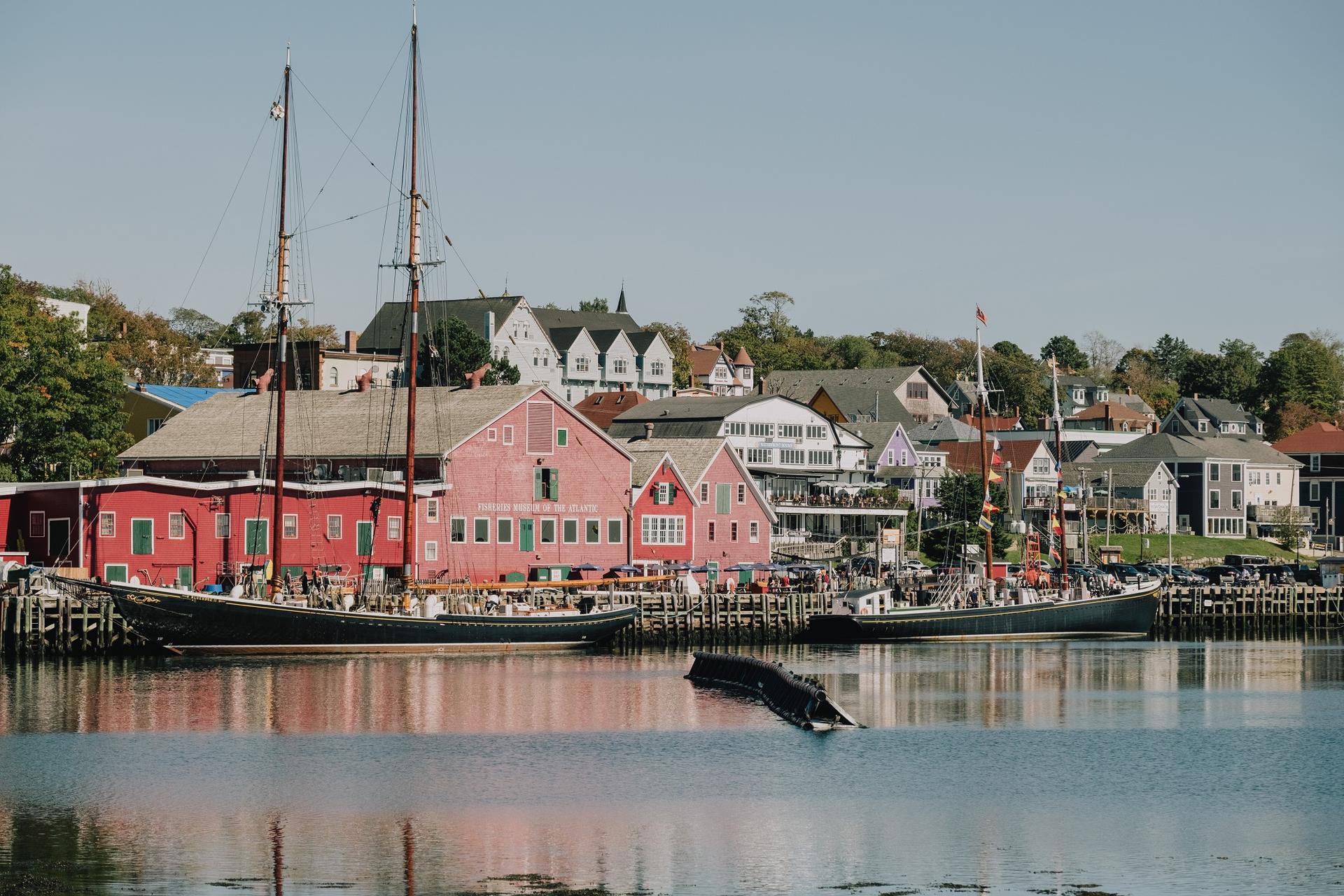
- Old Town Lunenburg World Heritage Site
- Southwest Nova Biosphere Region
New Brunswick
Investment opportunities
Learn more about the Atlantic Canada UNESCO Tourism Corridor - https://dd.destinationcanada.com/en-ca/case-study/tourism-corridor-strategy-showcases-unesco-sites-atlantic-canada
Learn more about the Atlantic Canada UNESCO Tourism Corridor - https://dd.destinationcanada.com/en-ca/case-study/tourism-corridor-strategy-showcases-unesco-sites-atlantic-canada